How Arterial Revascularization Can Help With Leg Pain
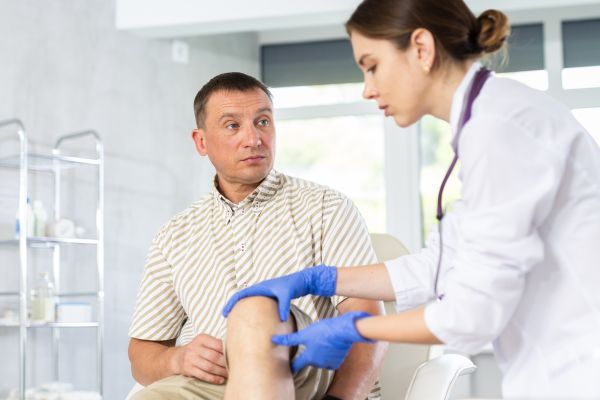
Arterial revascularization can help relieve certain types of leg pain by improving blood flow through narrowed or blocked arteries. One common cause is peripheral artery disease (PAD), which can make walking uncomfortable as leg muscles struggle to receive enough oxygen. An interventional radiologist can identify whether poor circulation contributes to the pain and discuss treatment options based on the severity of the blockage.
When arterial revascularization may help leg pain
PAD often causes cramping, aching, or heaviness in the calves, thighs, or buttocks during walking. This pattern, called claudication, typically improves after a few minutes of rest. Some patients also notice cold feet, weak pulses, or wounds that heal slowly. Since joint, nerve, and muscle problems can produce similar symptoms, a vascular examination helps establish the cause before treatment begins.
How the procedure restores blood flow
Arterial revascularization aims to open a narrowed artery so more oxygen-rich blood reaches the affected leg. During a minimally invasive procedure, an interventional radiologist guides small instruments through a blood vessel using medical imaging. Balloon angioplasty can widen the artery, while a stent may help keep it open. In selected cases, the radiologist may consider an atherectomy, which can remove or reduce plaque within the vessel. The approach depends on the blockage's location, the patient's health, and the expected benefits and risks.
Improving circulation aims to reduce pain during walking and help patients move farther before needing to rest. For people with severe circulation problems, restoring blood flow may also support wound healing and help protect the limb. Of course, it is important to note that results vary, and revascularization does not cure the underlying arterial disease.
When an interventional procedure makes sense
Not everyone with PAD needs a procedure, as medication, management of cholesterol and diabetes, smoking cessation, and structured exercise are equally important parts of treatment. When leg pain continues to limit daily activities despite these measures, arterial revascularization may become an option. However, persistent rest pain or nonhealing wounds need prompt evaluation, while sudden severe pain with a cold, pale foot requires emergency care.
The interventional radiologist may check pulses, compare blood pressure in the arms and ankles, or recommend ultrasound and other imaging to assess the arteries. Those findings help determine whether an intervention is appropriate and which artery needs treatment. Testing also helps distinguish poor circulation from other conditions that can cause similar symptoms.
Recovery and long-term care
Recovery depends on the procedure, the extent of arterial disease, and the patient's overall health. The interventional radiologist explains activity limits, puncture-site care, medications, and signs that require medical attention. Of course, regular follow-up matters because arteries can narrow again after treatment. At home, patients should continue using prescribed medication, exercise, and management of vascular risk factors to support long-term circulation and overall cardiovascular health. Follow-up may also track walking distance and progress in wound healing over time.
Schedule an evaluation
Leg pain that repeatedly interrupts walking deserves a closer look, especially when it improves with rest. A vascular and interventional radiologist can assess circulation, discuss whether arterial revascularization is appropriate, and explain alternatives when a procedure is unnecessary or when symptoms have another cause. For more information or to schedule an evaluation, contact our office.
Request an appointment here: https://montclair.provascularmd.com or call ProVascularMD at (909) 235-7742 to schedule a consultation in our Montclair office.
Check out what others are saying about our services on Yelp: Arterial Revascularization in Montclair, CA.
Related Posts
A vascular specialist diagnoses and manages conditions that affect the arteries, veins, and lymphatic system. Circulation problems can affect the way blood vessels carry blood throughout the body to the legs, arms, abdomen, or other areas. Some vascular conditions cause obvious symptoms, while others develop gradually and require professional evaluation. Knowing what this specialist does…
Healing after uterine fibroid embolization usually takes less time than recovery from major surgery, but the body still needs rest and support. During the procedure, a vascular and interventional radiologist blocks blood flow to fibroids so they gradually shrink. As that process begins, temporary but uncomfortable symptoms may occur. Knowing what to expect can make…
A vascular radiologist uses imaging tools and small procedures to diagnose and treat vascular conditions. They help patients with conditions such as poor circulation, blood clots, enlarged veins, and blocked arteries. This medical professional aims to provide patients with an option when medication does not work or when traditional surgery is not the most effective…
Arthritis in the knees can make walking, climbing stairs, exercising, and daily activities feel more difficult than they should. Fortunately, knee arthritis treatment can help relieve pain and restore mobility to the joint. When physical therapy and injections do not provide relief, a vascular and interventional radiologist can evaluate whether an image-guided procedure, such as…